varsha
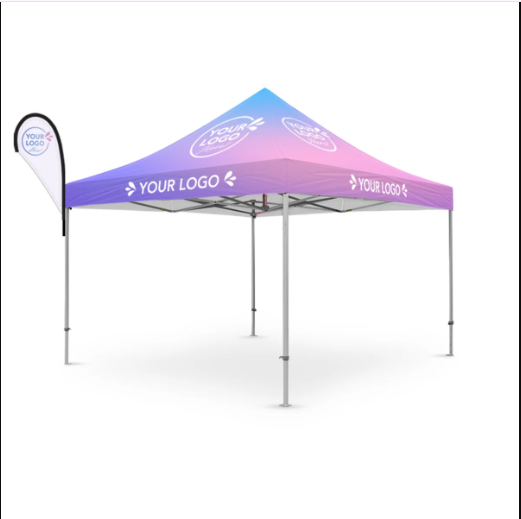
When your business shows up at a major outdoor event, there is a big difference between simply being present and being impossible to miss. A compact booth can work beautifully for local markets, but when you need space for products, staff, demonstrations, customers, and serious branding, a 20×20 logo canopy changes the conversation.
With 400 square feet of covered space, a 20×20 structure gives businesses enough room to think beyond the basic event booth. It can become a temporary showroom, product launch zone, hospitality lounge, registration hub, or multi-station promotional space.
The larger footprint also gives your branding more room to work. The challenge is making sure all that space has a purpose. A poorly planned 20×20 booth can still feel confusing, only now visitors have more room to get lost. Smart layout, consistent branding, high-quality construction, and thoughtful customer flow are what turn size into an advantage.
Table of Contents
Why 20×20 Makes a Bigger First Impression
Size gets noticed, especially when your company is surrounded by rows of smaller event tents.
A 20×20 logo canopy creates a substantial visual presence, allowing the brand to stand out from multiple directions. The wide roofline gives logos more visibility, while valances and printed walls provide room for supporting messages, photography, and recognizable colors.
At festivals, sporting events, expos, and outdoor promotions, that larger footprint can make a business appear more established before anyone from the team even says hello.
The extra space also improves functionality. Instead of trying to squeeze demonstrations, sales, storage, and customer conversations into the same corner, you can give different activities their own zones.
Build a Brand Environment, Not Just a Big Tent
The best large event displays do not look like someone printed a logo on a tent and considered the marketing complete. They feel like intentional extensions of the brand.
The canopy, sidewalls, counters, signs, tables, product displays, and staff apparel should share a visual language. Your 20×20 logo canopy becomes the anchor that ties everything together.
Use the most visible surfaces for simple branding that works from a distance. Strong logos, recognizable colors, and a concise company message usually perform better than covering every inch with text.
If the roof is shouting, the walls are shouting, the counters are shouting, and the banners are somehow shouting in a different font, customers are more likely to develop a headache than brand loyalty.
Good event design creates hierarchy. The canopy gets attention first. The interior then explains why visitors should stay.
A Beverage Brand Creates a Festival Headquarters
Imagine a regional beverage company sponsoring a large summer music festival.
In previous years, the business used several smaller tents for sampling, merchandise, and inventory. The arrangement worked, but branding looked fragmented and employees spent too much time moving between separate stations.
The company upgraded to a 20×20 pop up canopy tent and brought the entire activation beneath one coordinated structure.
A sampling counter occupied the front. Product displays and a branded photo area filled the middle, while stock and staff supplies stayed toward the back. Large roof graphics helped festivalgoers recognize the brand from across the grounds.
The result was not simply a better-looking booth. Employees could work more efficiently, customers understood where to go, and the company created a stronger, more unified presence.
That is one of the biggest advantages of going larger: the business can bring several event functions together without making the experience feel crowded.
Give Every Square Foot a Job
A 20×20 footprint offers plenty of possibilities, but that does not mean it should become a parking lot for tables.
Think about how visitors will approach the space. What should they notice first? What do you want them to do next? Where should conversations happen? Where will staff store supplies?
One section might attract people with a product display or demonstration. Another could handle sales or registrations. A third could provide hospitality seating or one-on-one consultation space.
The important thing is keeping pathways clear.
Tables, counters, and displays should guide customers rather than create obstacles. Storage should remain away from major traffic areas whenever possible. Visitors should be able to understand the booth without receiving turn-by-turn directions.
When customer flow feels natural, even a busy large-scale activation can remain comfortable and organized.
Let the Roof Handle Long-Distance Recognition
The roof of a 20×20 logo canopy is valuable because visitors can see it well before reaching the booth.
That makes it ideal for strong, uncomplicated branding.
Large logos positioned on multiple sides can make your company easier to identify regardless of which direction customers are walking. Valances can carry a tagline, product category, web address, or short campaign message.
Detailed product information belongs lower down, where people can stop and actually read it.
Remember that outdoor event attendees are usually walking, talking, checking schedules, eating something from a paper tray, and scanning dozens of displays at once. Your highest-level branding needs to communicate in seconds.
A Technology Brand Turns Product Demos Into an Experience
Consider a consumer electronics company introducing a new outdoor speaker at a major sporting event.
The product needs to be seen, heard, and tested. A tiny booth would limit how many customers could interact with it at once.
Using a 20×20 pop up canopy tent, the business creates several demonstration stations around the perimeter while keeping the center relatively open.
One section highlights product features. Another handles registrations and promotional offers. A printed rear wall becomes a clean background for photographs and social media videos.
Multiple customers can test the product simultaneously without crowding each other, while employees have enough room for meaningful conversations.
The larger structure also helps make the product launch feel important. When a company is promoting a premium item, the environment surrounding it should support that positioning.
Use Large Graphics Without Creating Visual Overload
A 20×20 setup provides plenty of printable surface area, particularly when sidewalls are added.
Those walls can showcase lifestyle photography, products, completed projects, sponsor branding, services, or campaign messaging. They can also visually separate different areas within the booth.
But having more printable space does not create an obligation to fill all of it.
Large-format graphics should communicate quickly. Strong photography and short messaging generally work better than walls packed with paragraphs in tiny type.
Think more “brand experience” and less “annual report printed on polyester.”
When a 13×13 Footprint Is the Smarter Move
Bigger is not automatically better.
Some events simply do not require 400 square feet. For compact activations, a 13×13 logo tent may provide the right balance between visibility and portability.
It offers more room than a standard 10×10 setup while fitting comfortably into event environments where a 20×20 structure would be excessive or unavailable.
A professionally designed 13×13 logo can still create excellent recognition when it is supported by strong color choices, readable graphics, and coordinated signage.
The choice should depend on what happens underneath the shelter. If the activation requires multiple customer zones, significant merchandise, demonstrations, or hospitality space, the larger footprint can earn its keep. If the business mainly needs a compact sales or promotional station, 13×13 may be more practical.
A Remodeling Company Builds a Mobile Showroom
Now imagine a home improvement company attending regional home-and-garden events.
The business cannot bring a remodeled kitchen, bathroom, and deck to an outdoor show, but it can create an environment that helps homeowners visualize the quality of its work.
A 20×20 logo canopy gives the company room to build a temporary showroom.
Large printed panels feature completed projects. Material samples line one section of the booth, while a consultation table occupies a quieter area toward the rear. Staff can discuss projects with homeowners without standing in the middle of the event aisle.
The display does more than make the company noticeable. It gives prospective customers a physical environment in which to experience the brand.
For service businesses, that is valuable. Professional presentation can help reinforce qualities such as organization, attention to detail, and credibility before a formal sales appointment ever takes place.
Premium Quality Matters Even More at 20×20
Large commercial event structures are not the ideal place to choose solely by the lowest price.
A larger canopy relies on significant frame construction, fabric, fittings, printing, and engineering. If your company expects to transport and use that equipment repeatedly, durability becomes essential.
Premium systems generally cost more because stronger frames, commercial-grade materials, reliable components, and professional printing come with higher production costs.
That larger initial investment should be considered against long-term use.
A cheaper structure may seem attractive at checkout, but frequent repairs, faded graphics, bent components, or early replacement can quickly change the calculation.
A high-quality 20×20 logo canopy used across dozens of events can offer stronger cost-per-use value than a budget alternative replaced several times.
Appearance matters too. Customers may never ask what material the frame is made from, but they will notice if the tent looks unstable, faded, or worn.
Your canopy is visible marketing equipment. Its condition becomes part of how your company presents itself.
Large Canopies Deserve Serious Setup Planning
As the structure gets larger, planning becomes more important.
Before event day, verify the allocated footprint, access routes, surface conditions, anchoring requirements, and organizer regulations. Your team should understand the manufacturer’s setup instructions before arriving at the site.
A 20×20 pop up canopy tent should also be appropriately secured according to manufacturer guidance and event conditions. Suitable anchoring can vary depending on whether the shelter sits on grass, asphalt, concrete, or another surface.
Weather must always be monitored. Premium construction improves durability, but no temporary outdoor structure is immune to unsafe conditions.
Good equipment and responsible use belong together.
Make the Graphics Last Beyond One Campaign
A large printed canopy can be a significant branding investment, so permanent graphics should remain useful well beyond the next event.
Use the roof, valances, and major wall panels for evergreen elements such as the company logo, core colors, key imagery, and long-term positioning.
Seasonal discounts, individual event dates, temporary offers, and changing product prices can appear on replaceable banners and signs instead.
This allows the same 20×20 logo canopy to move from a spring product launch to summer festivals, fall sponsorships, trade events, and other promotions without appearing outdated.
The more campaigns one quality structure can support, the easier it becomes to justify investing in a premium system from the beginning.
Give People a Reason to Come In—and Stay
Brand visibility gets someone to notice the booth. The experience underneath the canopy determines whether that person spends ten seconds or ten minutes there.
A 20×20 footprint gives businesses enough room to include demonstrations, samples, interactive activities, seating, consultation areas, product trials, and photo opportunities.
The right approach depends on the company.
A food business may center the experience around sampling. A technology brand may prioritize demonstrations. A home-services company may need comfortable consultation areas. A sports sponsor might create an interactive challenge.
The canopy gives you room to design around the action you actually want customers to take.
Build an Event Space Worth Remembering
A 20×20 logo canopy can transform an ordinary event footprint into a large-scale branded environment capable of supporting promotions, sales, demonstrations, hospitality, customer conversations, and memorable brand experiences.
Its value comes from combining generous space with smart planning. Businesses can create dedicated activity zones, display bold graphics, accommodate more customers, and give employees the room they need to work effectively.
For smaller events, a 13×13 logo tent with a professionally designed 13×13 logo may provide the better balance. Choosing the right size should always depend on your audience, event requirements, transportation needs, and how the space will function.
Whatever footprint fits your business, quality should remain a priority. Premium frames, durable fabrics, professional printing, reliable components, and thoughtful customization may cost more upfront, but they can deliver greater reliability, stronger presentation, and better value across repeated events.
Explore high-quality event canopies, custom printing options, branded walls, counters, signage, and accessories designed for commercial use. When your event space is built to perform and designed to represent your brand professionally, a canopy becomes much more than shelter. It becomes one of the hardest-working pieces of your outdoor marketing strategy.



 Sambit